
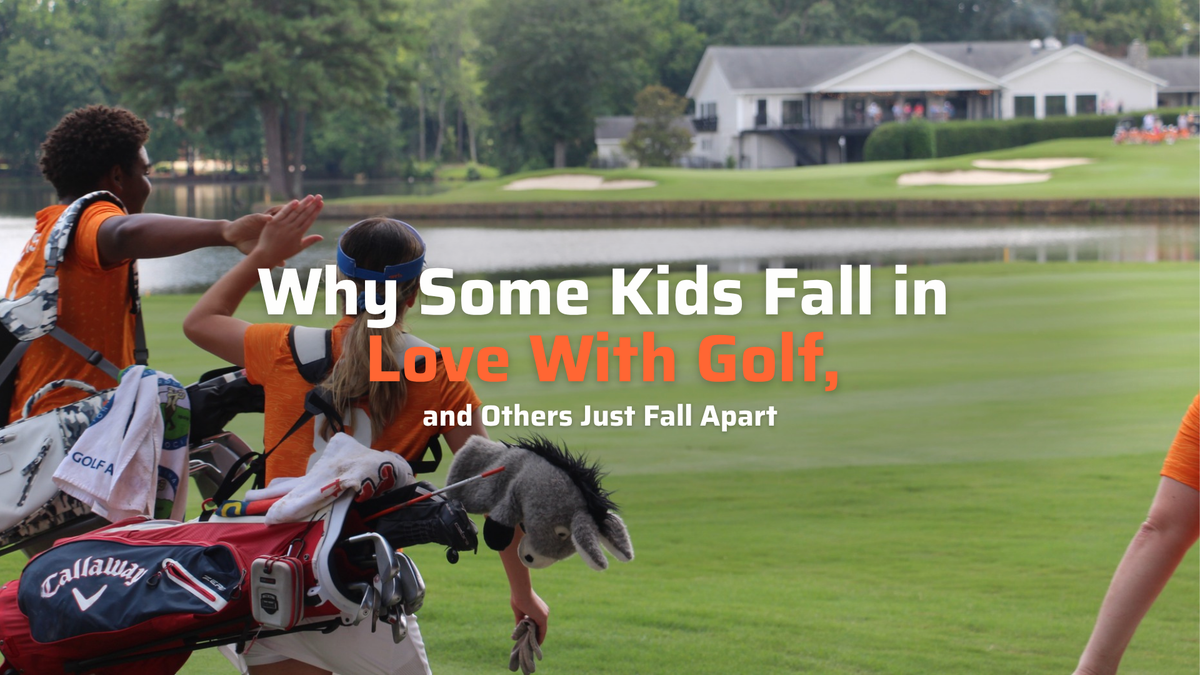
You've seen it happen. A kid steps up to the tee, takes a mighty swing, and tops the ball ten feet. Then again. Then again. By the fourth hole, they're not swinging anymore, they're just trying to get it over with.
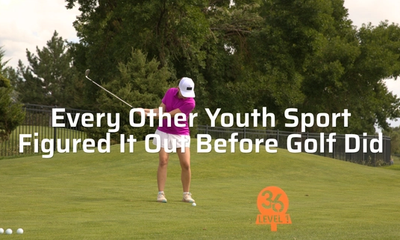
Here's the thing most parents don't realize until they're standing in the middle of it: golf has a design problem. We hand a ten-year-old a full-length course and ask them to succeed at the hardest version of the game first. Then we wonder why so many kids quit before they ever get good.
The Trap of Starting Too Big
Most junior golf pathways are built around structure. Levels, rankings, tournaments, a ladder to climb. And structure isn't bad, competitive kids genuinely thrive on it. But structure built around competing before a kid has had a chance to feel good at the game just teaches them, early and often, that they're not good at it.
Think about how kids actually learn anything else. Nobody hands a six-year-old a novel and says "read this, we'll talk about your comprehension." You start with picture books. You build the skill in pieces small enough to win at, and the wins are what make the kid want to keep going. Golf almost never gets taught that way. We start everyone from the tips and call it fundamentals.
Confidence First, Everything Else Second
That's the whole idea behind starting 25 yards from the hole instead of 400. A kid can chip it on, putt it in, and shoot a real score, on a real hole, in their first week. Not "great for a beginner." An actual good score. Then they move back to 50 yards. Then 100. The game gets harder exactly as fast as the kid gets better, not a day sooner.
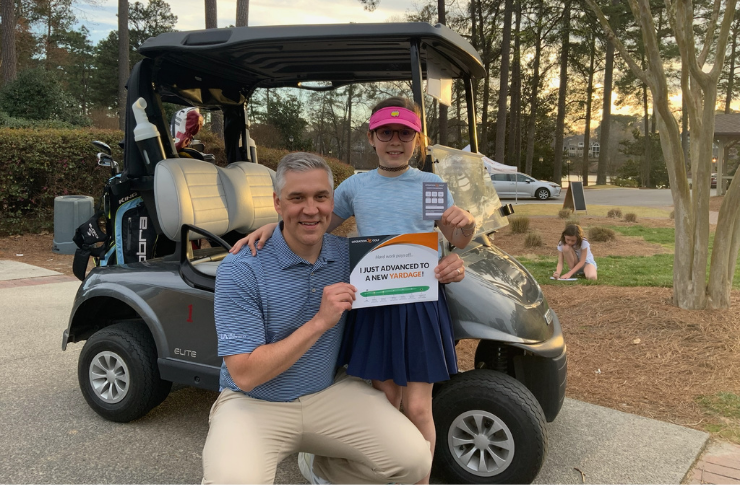
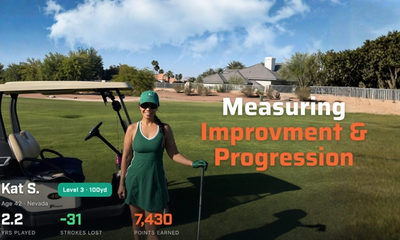
That's Operation 36's approach, and it's the reason kids stick with it. Not because the golf is easier forever, it isn't, eventually they're playing the same yardages as everyone else. It's because the first taste of the game is a win instead of a lesson in how far they have to go.
What This Actually Means for Your Kid
If you've got a competitor on your hands, someone who wants the trophy and the ranking and the pressure, that's a real path and some kids are built for it. But if what you want is a kid who still wants to go to the range on a Saturday five years from now, pay attention to how they're introduced to the game, not just how seriously it's taken.
Start them where they can win. The rest of golf will still be there waiting, once they actually love it.